WHO BOXES
Usually she does
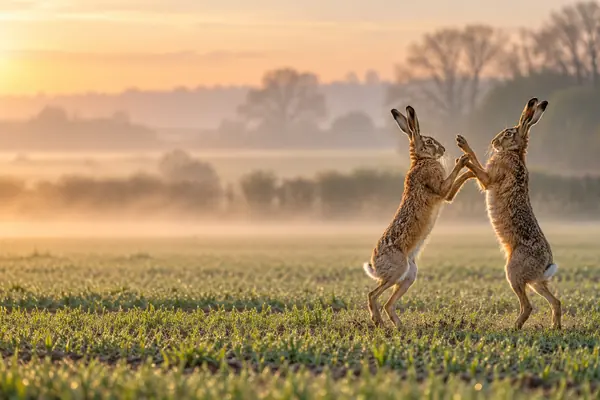
A 1984 study in <i>Nature</i> found boxing is mostly a female fending off a male, standing upright and striking out with her front paws, not two males fighting.
Read the field doodleboxers™
WHAT THE RESEARCH SAYS
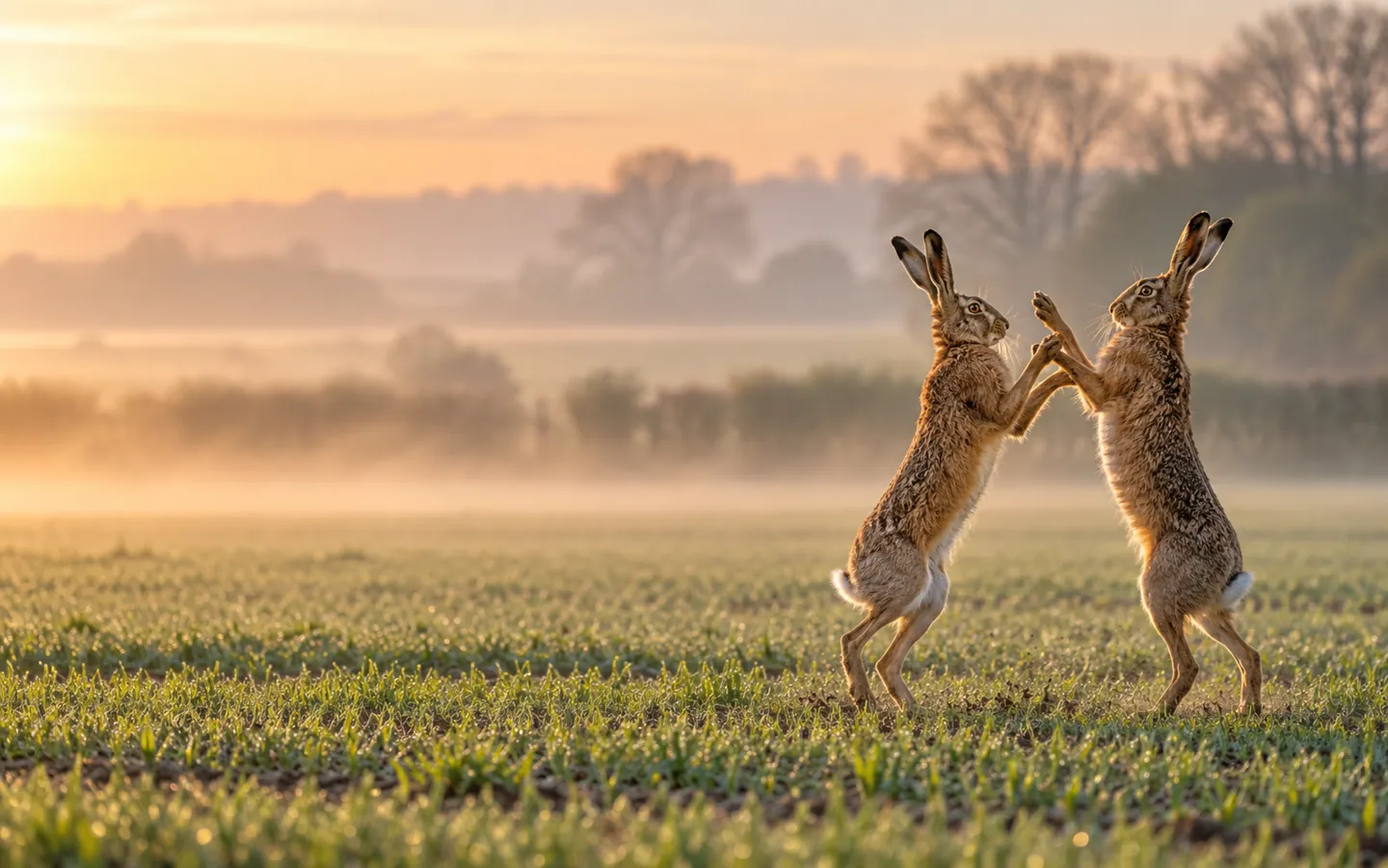
The boxers in the field are usually a female and a male.
For centuries people read boxing hares as rival males going mad in March. A study published in 1984 found something else: it is mostly a female fending off a male who will not take the hint, and it carries on through a long breeding season.
WINTER TO SUMMER the boxing season
Read the fieldTHE SHORT ANSWER
Three things worth knowing
before the next spring dawn.
WHO BOXES
A 1984 study in <i>Nature</i> found boxing is mostly a female fending off a male, standing upright and striking out with her front paws, not two males fighting.
Read the fieldSPEED
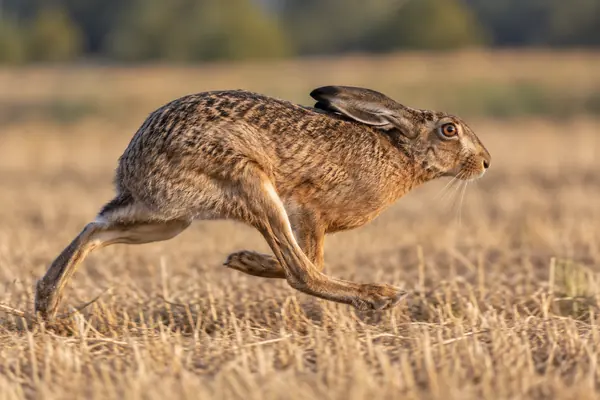
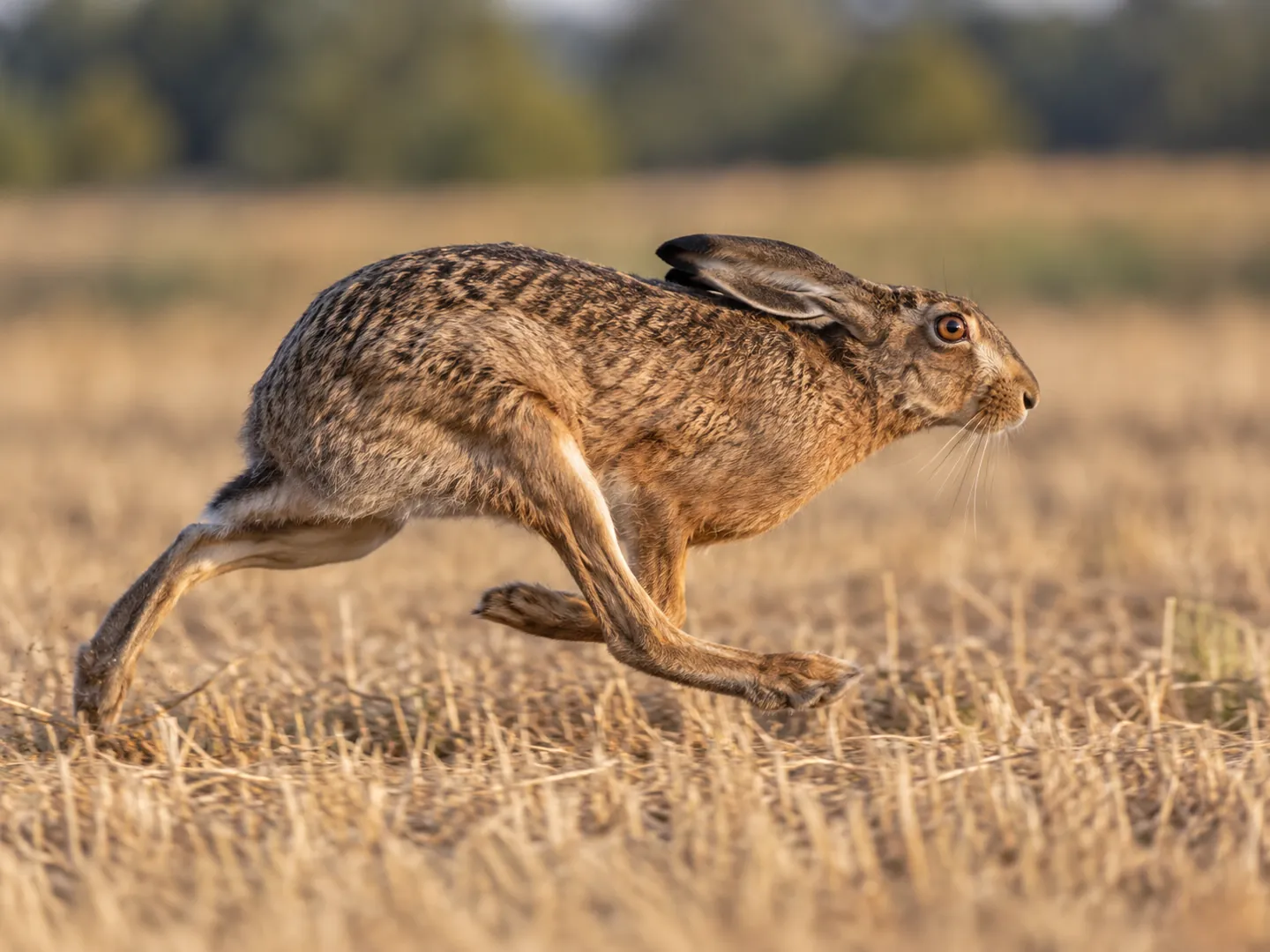
Speed is the hare's main defense. European hares have been clocked at up to 35 mph in a straight line, and black-tailed jackrabbits reach 30-35 mph on a zigzag course.
See the numbersLEVERETS
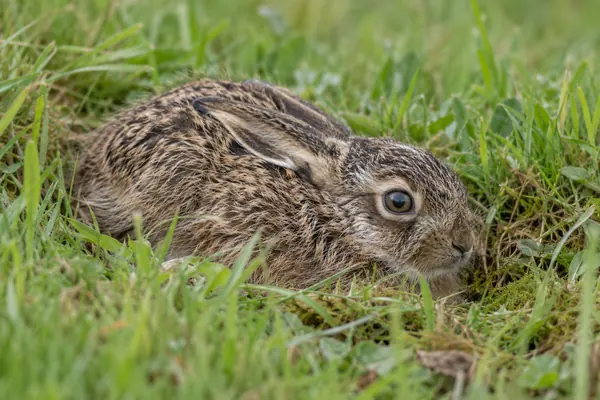
Leverets are born furred with eyes open. The mother spreads a litter out and makes the rounds to nurse them, so a lone leveret is normal.
How to watch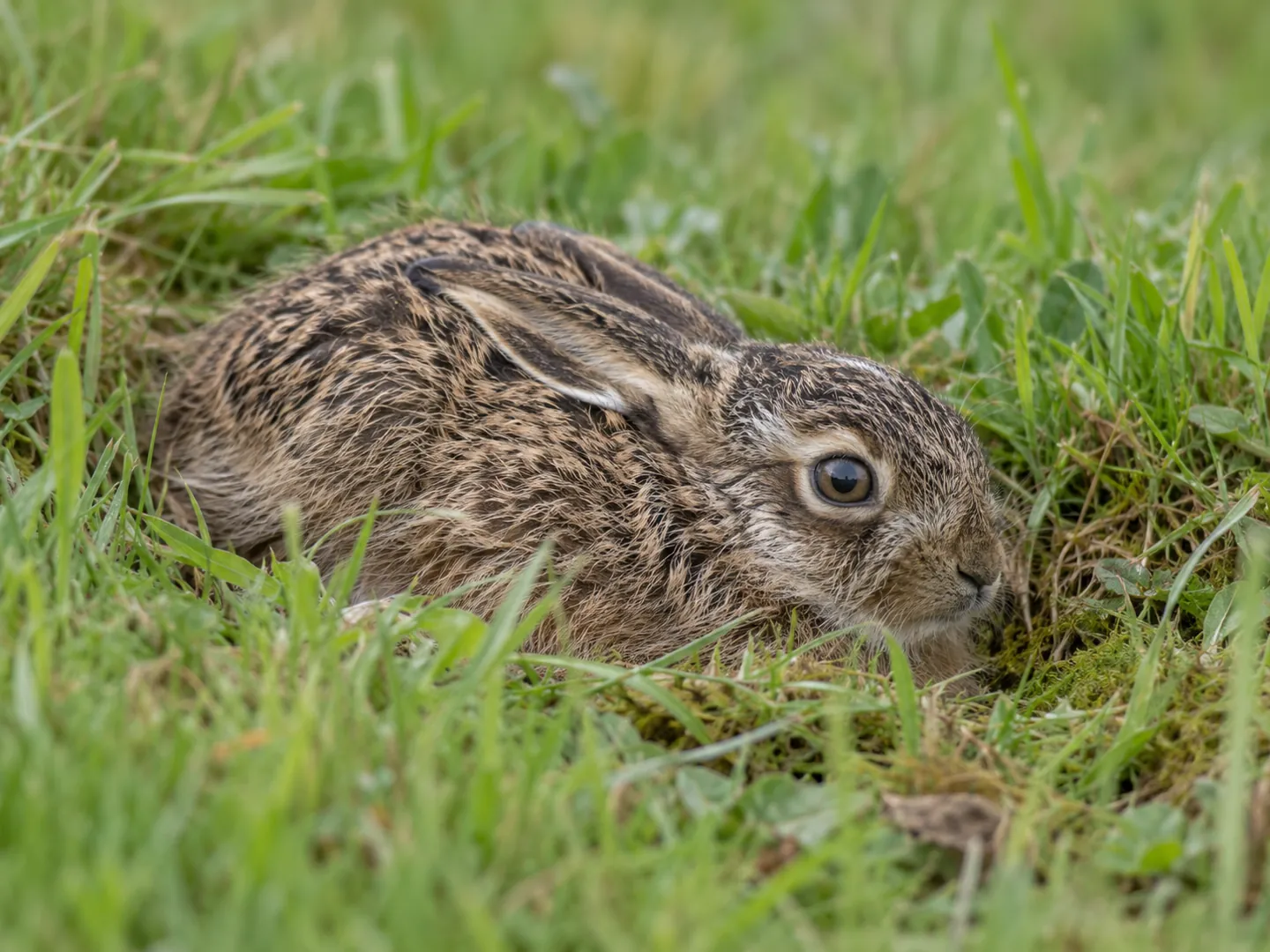
FOUR HABITS TO TRY
Hares have excellent hearing, so they are good at picking up danger by sound. These habits give you the best chance of a good view without disturbing them.
European hares are crepuscular and nocturnal, foraging mostly at night, so the edges of the day are the best time.
In the Northeast and around the Great Lakes, scan open fields and pastures bordered by hedgerows and woodlots. In the West, black-tailed jackrabbits use desert scrub, prairie and farmland.
Their hearing is excellent. The National Park Service suggests binoculars or a zoom lens: if an animal reacts to you, you are too close.
Leverets can arrive from late winter and sit still in the grass. If you find one, leave it untouched.
TWO NUMBERS WORTH KNOWING
One figure on speed,
one on how many young a female can raise.
35 mph
How fast a brown hare can run
Animal Diversity Web says European hares have been clocked at up to 35 mph running in a straight line, and black-tailed jackrabbits reach 30-35 mph over a zigzag course.
TOP SPEED · ADW
3-4
Litters a female can have in a year
Black-tailed jackrabbits breed from December to September in Arizona and from late January to August in California and Kansas. Females have 3 or 4 litters a year of 1 to 6 leverets, generally 3 or 4.
LITTERS · ADW
European hares were introduced to New York State in 1893 and are now found in the northeastern states and around the Great Lakes. Black-tailed jackrabbit numbers swing widely, peaking every 6 to 10 years, and Animal Diversity Web reports densities that often reach 470 per square kilometer (about 1,200 per square mile).
A QUICK FIELD GUIDE
Pick what the hares are doing to see what it most likely means. The bar shows how lively the moment is, from still to flat out.
Based on Animal Diversity Web species accounts, the 1984 Holley and Greenwood study and National Park Service guidance.
THE MAD MARCH MYTH
Proverbs and older writing said two things about hares: that they go mad in March, and that boxing is males competing for mates. In 1984, A. J. Holley and P. J. Greenwood reported in Nature that the madness is no more a feature of March than of other breeding months.
They also found that boxing is not a contest between males but an interaction between the sexes, in which a female tries to stop a male mating. The paper ends by asking why such misleading statements about hare behavior went unchallenged for centuries.
Questions
Mostly because a female is fending off a male. Holley and Greenwood (1984) found that boxing is not a contest between males but an interaction between the sexes, in which a female tries to stop a male mating.
No. Holley and Greenwood found the madness is no more a feature of March than of other breeding months. European hares breed from midwinter to midsummer, and black-tailed jackrabbits in Arizona from December to September.
No. Hares, including European hares and jackrabbits, are lankier than rabbits, with longer ears and legs. They rest above ground in shallow forms rather than burrows, and their young are born fully furred with eyes open.
Usually it is fine. Animal Diversity Web says a European hare mother spreads her leverets over a wide area and makes the rounds to nurse them. Leave it where it is and keep dogs away. In national parks it is illegal to touch or disturb wildlife.
European hares, the species in the classic boxing studies, were introduced and now live in the northeastern states and around the Great Lakes, in open fields and pastures bordered by hedgerows and woodlots. Black-tailed jackrabbits range across the Southwest, north into Washington, Idaho, Colorado and Nebraska, and east to Missouri.
Updated
ABOUT THIS NAME
doodleboxers.com is part of the DoodleSale portfolio. It isn't in an auction right now, but you can ask about leasing it.